What Should You Tell Your Dog Groomer Before an Appointment?
Haircut details, behavior, health and home routine: what to share before the appointment for a safer groom and better result.
By the WeDoPetz grooming team · · 3 min read
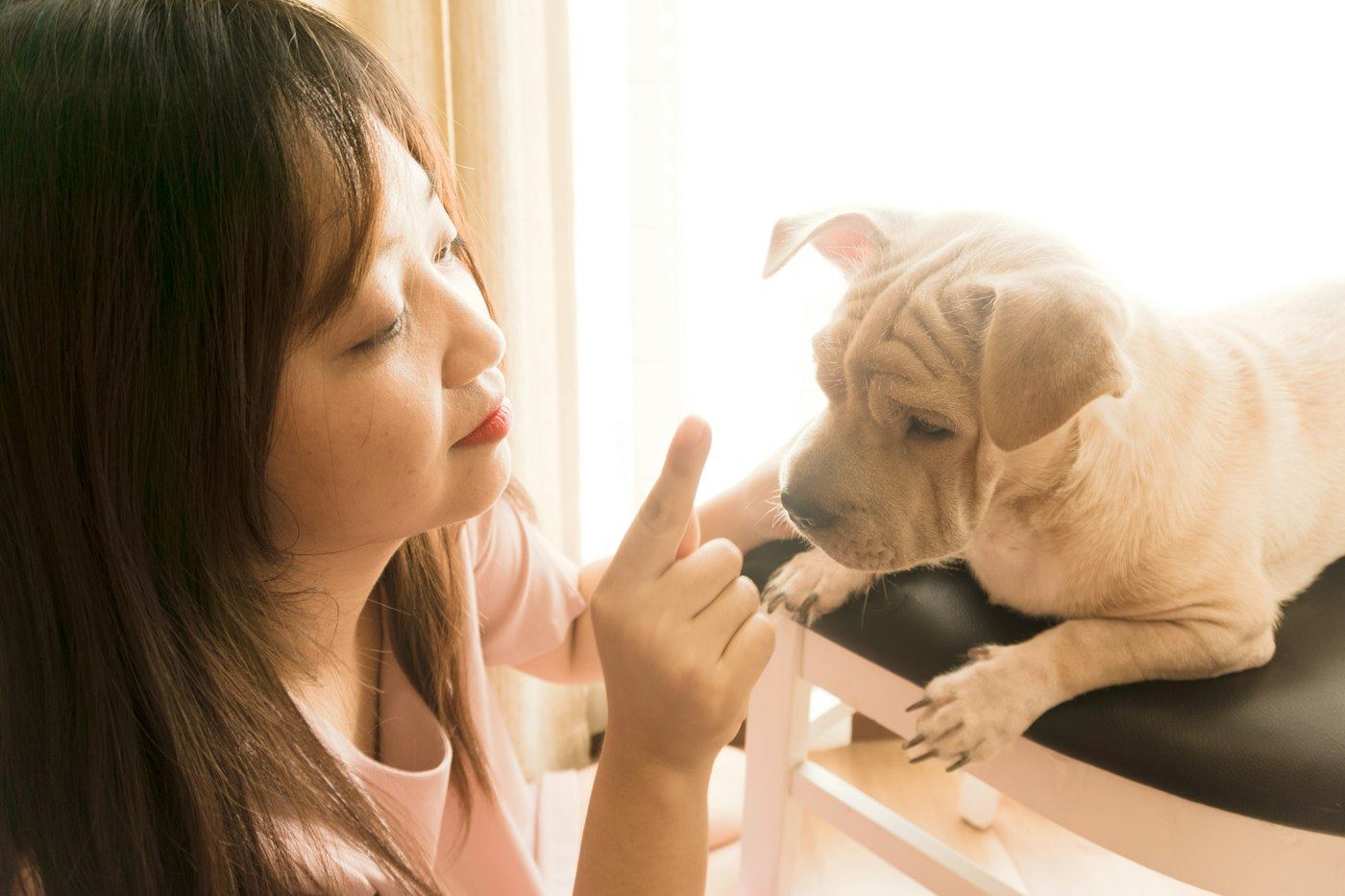
Good grooming starts before the bath or haircut. The information an owner gives the groomer can change handling, service choices, appointment time and the final result.
Owners sometimes focus only on the haircut request and forget to mention a painful hip, previous bite attempt, recent surgery or skin sensitivity. A useful pre-grooming conversation covers appearance, health, behavior and maintenance expectations.
Describe the haircut with more than one word
"Short," "puppy cut," "teddy bear" and "just a trim" can mean very different things to different people.
Bring reference photos and point out what you like: body length, face shape, ear length, tail style and leg fullness.
If you disliked something from the last groom, explain that too. Specific visual communication reduces surprises.
Tell the groomer about behavior honestly
If the dog has snapped during nail trims, panics around dryers or hates having ears touched, say so before the service begins.
Hiding behavior history does not help the dog. It removes the groomer's opportunity to prepare and choose safer handling.
A professional groomer would rather know the truth than discover a trigger with scissors near the dog's face.
Share relevant health and mobility information
Mention arthritis, recent surgery, seizures, heart conditions, skin disease, hearing or vision loss and any handling restrictions from the veterinarian.
This does not mean the groomer will provide medical treatment. It means the appointment can be adapted or postponed if necessary.
Senior dogs especially benefit from updated information because their comfort can change quickly.
Discuss matting before discussing style
If you know the coat has tangles, tell the groomer. Do not assume a long haircut can be preserved.
The groomer should evaluate how tight the mats are and explain the realistic options.
This conversation is easier before the appointment than after the dog has already been clipped shorter.
Mention product sensitivities or previous reactions
If the dog has developed itching, redness or hives after a previous grooming product, tell the groomer what you know.
Keeping notes from previous appointments can help identify patterns.
Explain the home maintenance reality
If you rarely brush, say so. That information helps the groomer recommend a more sustainable haircut.
There is no benefit in pretending a long fluffy coat will be maintained if the household does not have time for it.
A collaborative groomer can help choose a style that fits real life.
Ask what is included
Services vary between groomers. Ask whether the appointment includes nails, ears, de-shedding, sanitary trimming, teeth brushing or other add-ons.
Knowing what is included prevents misunderstandings about price and results.
For mobile grooming, also ask about arrival windows, parking needs and appointment logistics.
Related guides: Teddy Bear Cut vs. Puppy Cut · Dog Grooming Anxiety · Senior Dog Grooming · How Short Should You Cut Your Dog's Hair?
When you want a hand, book a groom or see our prices.
Frequently asked questions
Should I show my groomer a photo?
Yes. Photos are one of the clearest ways to communicate haircut shape and length.
Should I tell the groomer my dog has bitten before?
Absolutely. Honest behavior history helps the groomer plan safe handling.
Do I need to mention medications?
Relevant medications and health conditions should be shared, especially when they affect stamina, skin or behavior.
What if my dog is matted?
Tell the groomer and be open to a shorter haircut if preserving length would be painful or unsafe.