What Is a Sanitary Trim for Dogs?
One of the least glamorous and most practical services: what a sanitary trim is, who needs it and how often.
By the WeDoPetz grooming team · · 2 min read
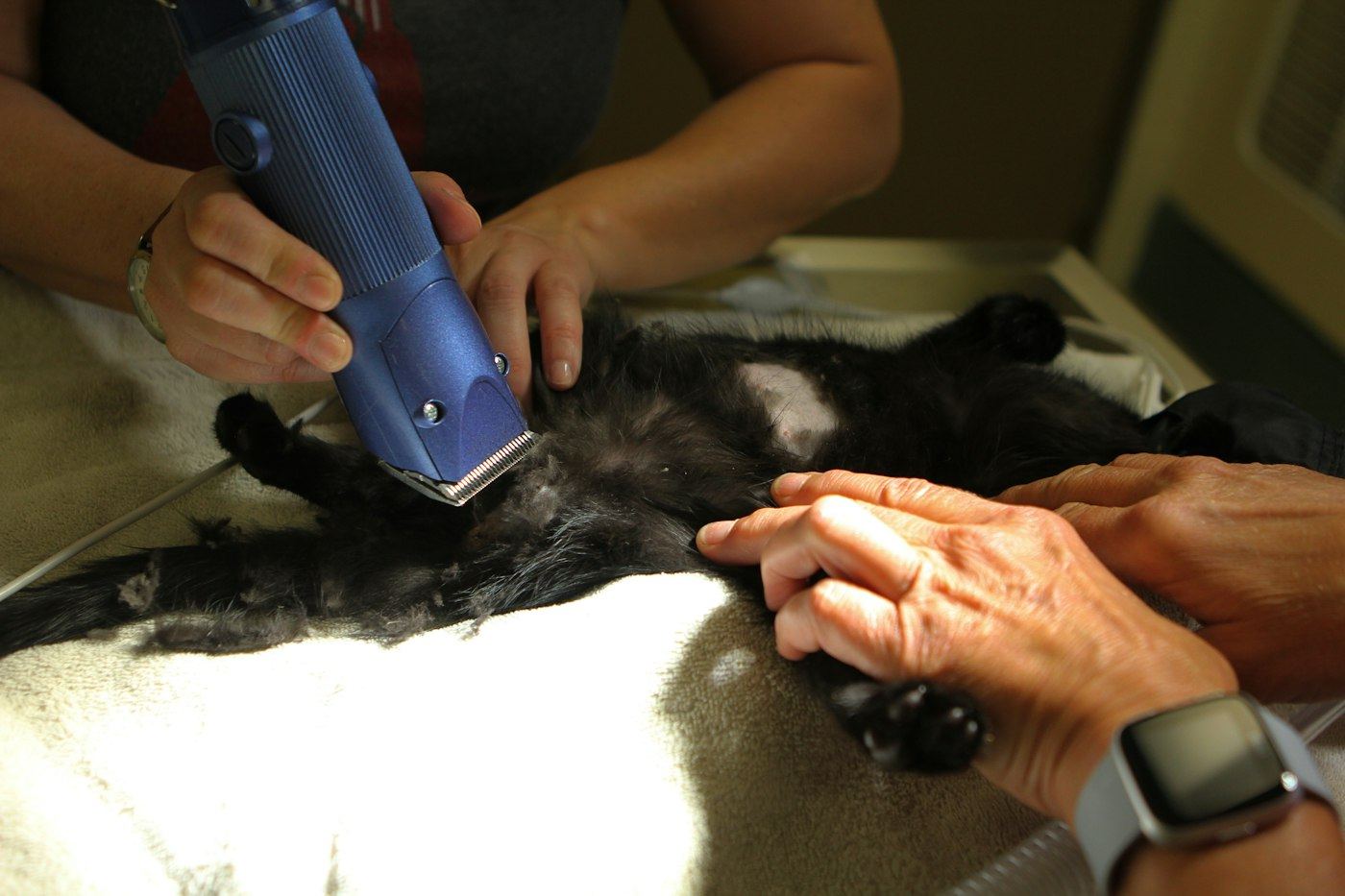
A sanitary trim is one of the least glamorous but most practical grooming services. It involves shortening hair around areas where long coat can interfere with cleanliness.
The objective is not to shave the entire dog. It is targeted maintenance around the rear, genital area and sometimes lower belly so urine, fecal material and debris are less likely to become trapped in the coat.
Which dogs benefit most?
Long-haired and continuously growing coats are the most common candidates. Shih Tzus, Maltese, Yorkies, Doodles and other fluffy dogs may benefit from regular sanitary maintenance.
Senior dogs, overweight dogs and pets with reduced mobility can also need extra help because keeping themselves clean may become harder.
Short-coated dogs usually need less sanitary trimming unless there is a specific issue.
What does the groomer actually trim?
The groomer carefully shortens hair around hygiene-sensitive areas while preserving the surrounding coat.
The exact amount depends on anatomy, coat length and the owner's preference. Some dogs need only a small clean area, while others benefit from a wider practical trim.
The goal is function, not creating an obvious bald patch.
Why it helps daily cleanliness
Long rear hair can trap stool, urine or litter-like debris from outdoors. Once dirty, the hair can mat and irritate the skin.
A sanitary trim reduces the amount of material that can collect and makes home cleanup easier.
For dogs with chronic hygiene problems, it can make a significant difference in comfort and odor.
When a hygiene issue may be medical
Frequent diarrhea, urinary leakage, scooting, painful elimination or persistent skin irritation is not simply a grooming problem.
A sanitary trim can make cleanup easier, but it does not treat the cause.
How often is a sanitary trim needed?
Hair regrowth and coat type determine the interval. Dogs on regular grooming schedules often have the sanitary area maintained at each visit.
If the rest of the coat does not need frequent haircuts, a smaller maintenance appointment may sometimes be enough.
The right interval is the one that keeps the area clean before problems develop.
Can owners do it at home?
Trimming near sensitive anatomy requires care, good lighting and controlled handling.
Clippers are generally safer than scissors in some areas, but inexperienced use can still cause injury.
If the dog moves suddenly or the owner is uncomfortable, professional grooming is the safer choice.
Related guides: Shih Tzu Grooming · Maltese Grooming · Senior Dog Grooming · Dog Paw Care
When you want a hand, book a groom or see our prices.
Frequently asked questions
Does a sanitary trim mean shaving the whole dog?
No. It is targeted trimming around hygiene-sensitive areas.
Which dogs need sanitary trims?
Long-haired dogs, seniors and dogs that have difficulty staying clean may benefit most.
How long does a sanitary trim last?
It depends on hair growth. Many dogs have the area maintained during each regular grooming appointment.
Can a sanitary trim help with odor?
It can reduce debris trapped in long hair, but persistent odor or soiling may have a medical cause.