Dog Paw Care: Nails, Pads and Hair Between the Toes
Nails, paw pads, hair between the toes, winter salt and hot pavement: a practical routine for healthy dog paws.
By the WeDoPetz grooming team · · 2 min read
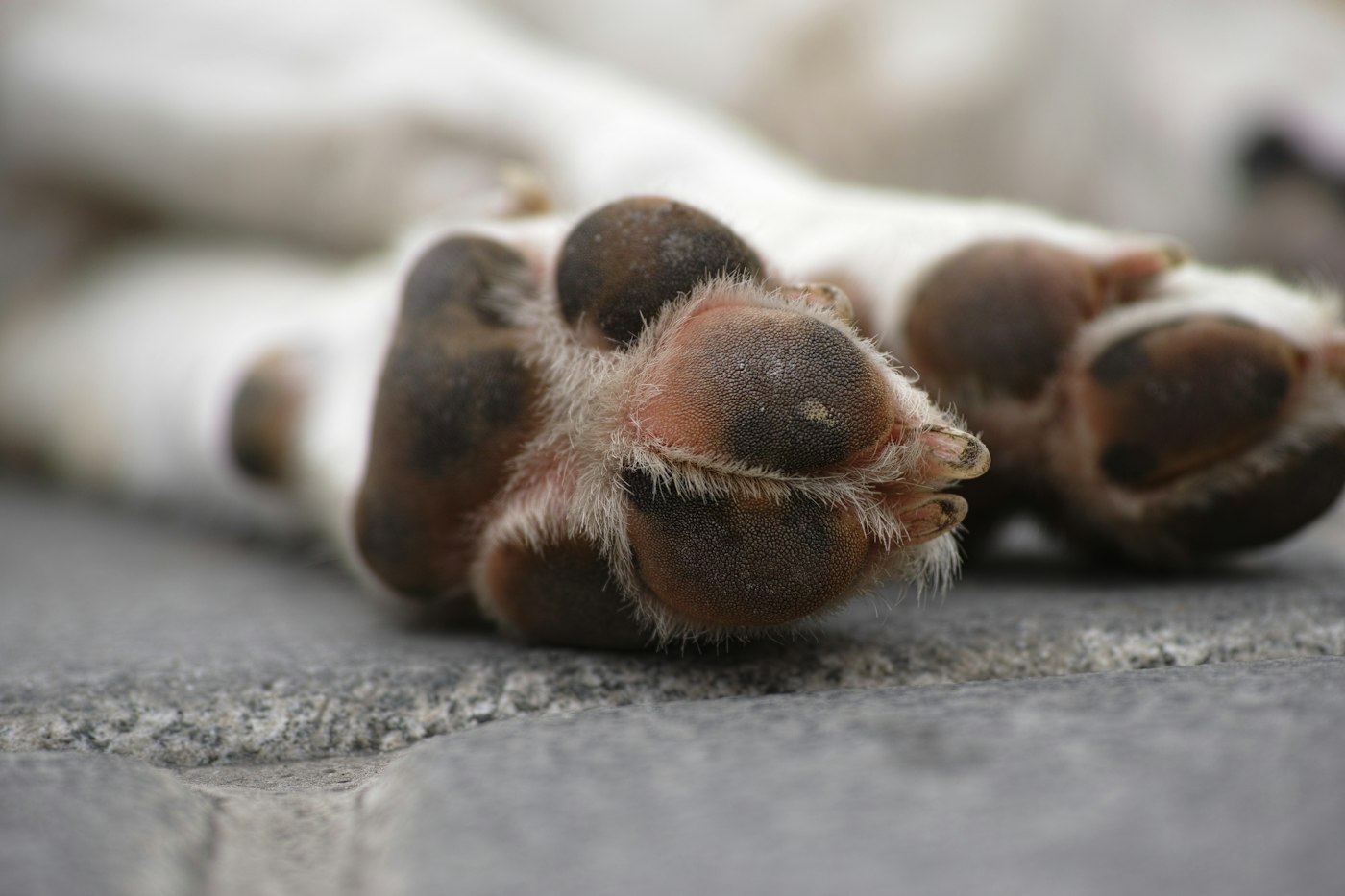
Paws work every day on pavement, grass, snow, salt, mud and indoor floors, yet they are easy to ignore until something goes wrong. Good grooming includes more than trimming nails. Paw pads, hair between the pads, debris and seasonal conditions all deserve attention.
For dogs in Massachusetts, winter salt and ice add another reason to make paw care part of a regular routine.
Keep nails at a functional length
Long nails can change paw placement and affect traction.
Check all nails, including dewclaws. Dogs that walk on pavement may wear some nails naturally, but wear is rarely perfectly even.
Frequent conservative trims are easier than waiting until nails become very long.
Hair between paw pads
Long hair between the pads can collect mud, snow and small debris. On smooth floors, overgrown paw hair may also reduce traction.
Trimming the hair level with the pads keeps the paw cleaner without digging deeply between the toes.
Curly-coated and long-haired dogs often need this maintenance more than short-coated breeds.
Check the pads themselves
Paw pads can become dry, cracked or irritated. Small cuts, foreign objects and packed debris may hide between the toes.
Grooming gives the owner and groomer an opportunity to look closely.
Pain, bleeding, swelling or persistent licking should be evaluated medically rather than treated as a simple cosmetic issue.
Winter salt and ice
Road salt and de-icing chemicals can irritate paws and become trapped in hair.
After winter walks, rinse or wipe paws and dry them thoroughly. Keeping excess hair trimmed can make cleanup easier.
Summer pavement matters too
Hot pavement can injure paw pads even when the air temperature feels manageable.
Grooming cannot prevent heat injury, but healthy, visible pads are easier to monitor.
During warm weather, owners should avoid hot surfaces and check paws after long walks.
Paw handling is a training skill
Dogs that learn to tolerate paw handling are easier to groom, examine and treat if an injury occurs.
Touch paws casually at home and reward calm behavior. Do not wait until a nail trim or injury to begin.
Puppies especially benefit from learning that paw contact is normal.
Related guides: Dog Nail Trimming · Why Does My Dog Hate Nail Trimming? · Dog Sanitary Trim · Senior Dog Grooming
When you want a hand, book a groom or see our prices.
Frequently asked questions
Should hair between dog paw pads be trimmed?
For many long-haired dogs, keeping excess hair level with the pads improves cleanliness and traction.
How do I protect paws from road salt?
Wipe or rinse paws after walks, dry them and remove trapped debris. Protective boots may help some dogs.
Why is my dog licking one paw constantly?
Persistent licking can indicate irritation, injury, allergy or pain and deserves veterinary attention.
Do dogs need paw balm?
Some dogs benefit from veterinarian-approved protective products, but avoid applying human products without checking safety.