How Often Should You Trim Your Dog's Nails?
How to tell when nails are too long, what the quick is, and why very long nails cannot always be fixed in one trim.
By the WeDoPetz grooming team · · 3 min read
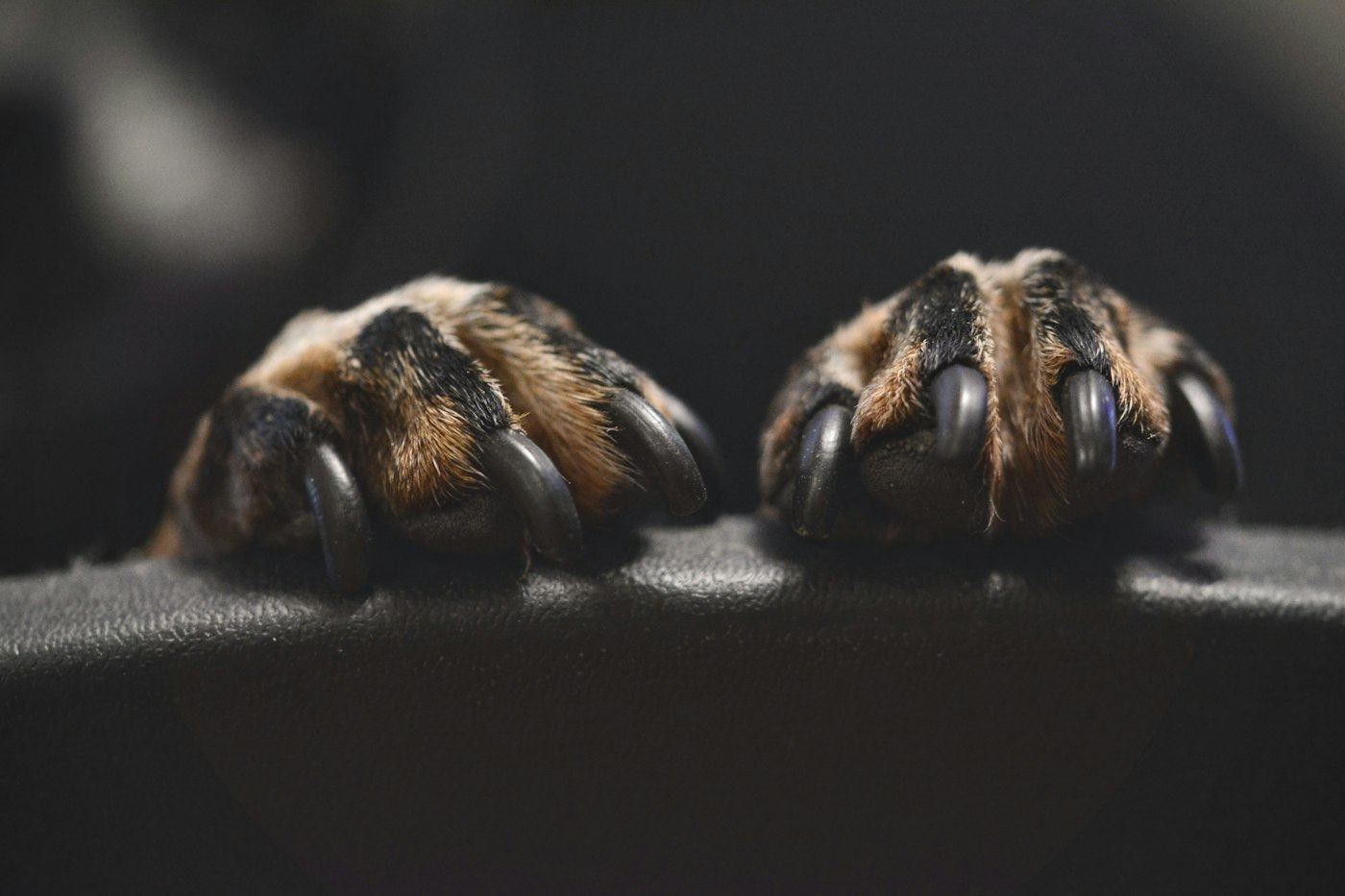
Dog nail trimming looks like a small grooming task, but nail length affects more than appearance. Nails that become excessively long can change how the paw meets the ground and may make movement less comfortable.
The right trimming interval varies because dogs grow and wear nails differently. The useful habit is not memorizing an exact number of weeks. It is checking the nails regularly and trimming before they become a problem.
What determines nail growth?
Age, activity level, walking surface and individual growth rate all matter. A dog that walks frequently on concrete may naturally wear some nail length away, while a dog that spends most of the day on carpet and grass may not.
Front and back nails can also wear differently. Dewclaws deserve special attention because they often do not touch the ground at all.
That is why "my dog walks a lot" is not a guarantee that every nail is short enough.
What is the quick?
Inside each nail is living tissue commonly called the quick. It contains blood vessels and nerves.
Cutting into it hurts and causes bleeding. In light-colored nails, the quick may be easier to see. Dark nails require a more conservative approach, taking small amounts at a time and watching the internal appearance of the nail.
Safe nail trimming is about shortening the nail without turning the session into a painful experience.
Why very long nails cannot always be fixed in one trim
When nails remain long for a long period, the quick may extend farther toward the tip. Cutting the nail dramatically shorter in one appointment could cut living tissue.
Repeated conservative trims can sometimes allow the quick to gradually recede, making it possible to achieve a shorter comfortable length over time.
This is another reason routine maintenance is easier than waiting until the nails are severely overgrown.
Signs the nails need attention
Loud clicking on hard floors can be a useful clue, although anatomy differs between dogs and it is not a perfect rule.
Nails that curve, snag frequently, alter paw position or approach the pad clearly need attention. Dewclaws should be checked separately because they can become very long without obvious floor contact.
If you are unsure, ask your groomer to show you what an appropriate length looks like for your dog.
What if the dog hates nail trims?
Many dogs dislike paw handling more than bathing or brushing. The solution is often gradual desensitization.
Touch the paws when no trimming is planned. Reward calm behavior. Briefly hold a toe. Introduce the tool without using it. Build the routine in small steps.
Grinding versus clipping
Both methods can work. Clippers remove length quickly. Grinders allow more gradual shaping but create sound and vibration that some dogs dislike.
The best method depends on the dog, nail thickness and handling tolerance. Some groomers use a combination.
The important issue is safe shortening of the nail, not loyalty to one tool.
Related guides: Why Does My Dog Hate Nail Trimming? · Dog Paw Care · Senior Dog Grooming · Professional Dog Grooming
Ready for help at your door? Book a groom and see the exact price before you pay.
Frequently asked questions
How often should dog nails be trimmed?
There is no single interval. Check them regularly and trim based on growth, wear and paw position.
Is it bad if my dog's nails click on the floor?
Frequent loud clicking can indicate that the nails are getting long, although anatomy differs between dogs.
Can long nails be cut short all at once?
Not always. The quick may extend into a long nail, so gradual repeated trims can be safer.
Can a groomer trim black nails?
Yes. Experienced groomers use conservative technique and visual cues rather than relying on seeing the quick through the nail.