Why Professional Dog Grooming Matters
Professional grooming is more than a haircut: coat care, nails, hygiene, shedding control and someone who notices changes.
By the WeDoPetz grooming team · · 4 min read
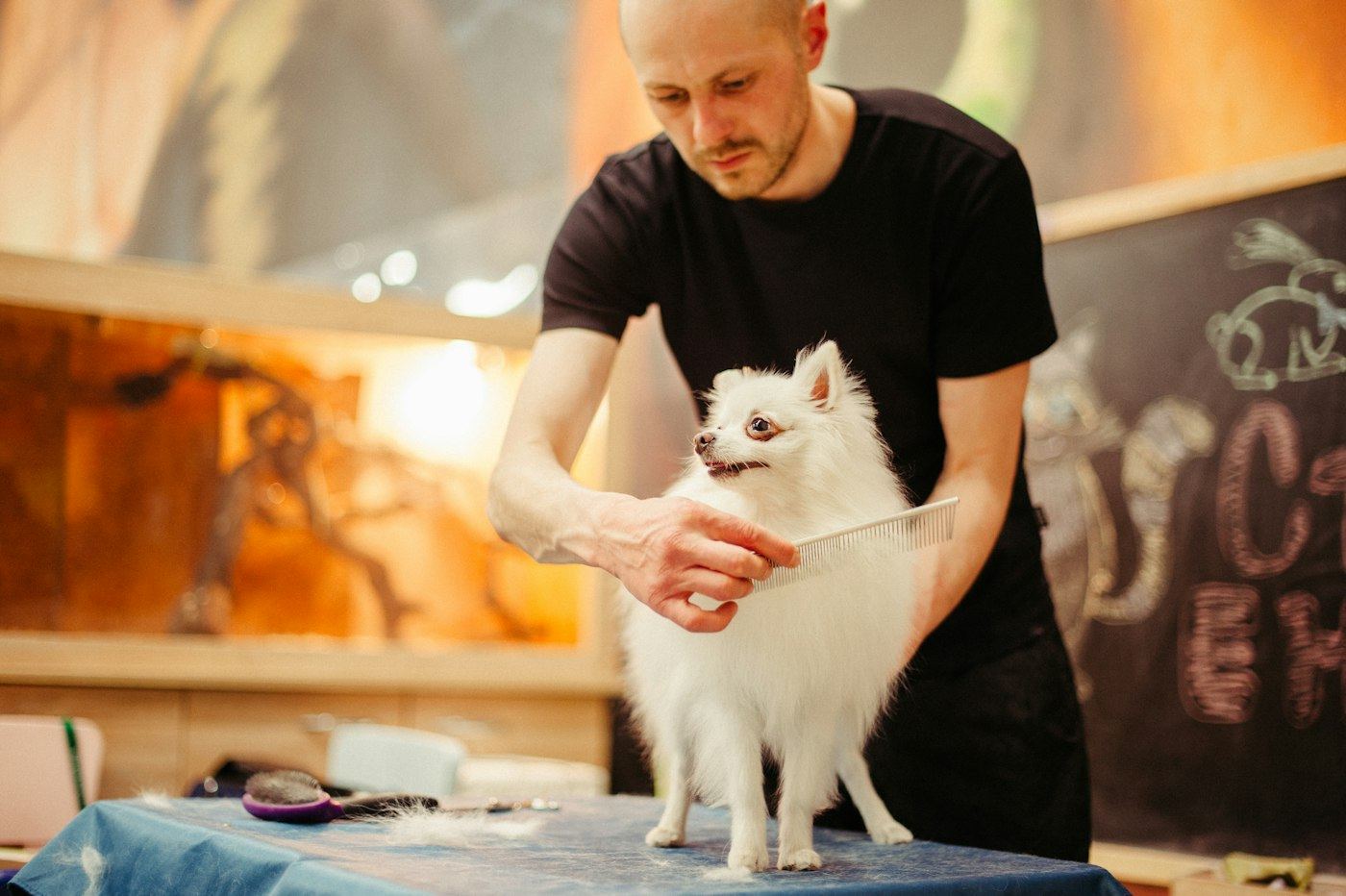
A good grooming appointment should make a dog look better, but appearance is only the visible part of the service. Professional grooming is also coat management, nail care, hygiene, shedding control and repeated hands-on observation of the pet.
That does not make a groomer a veterinarian, and it should never be presented that way. It does mean regular grooming can help owners maintain a dog more consistently, prevent avoidable coat problems and notice physical changes sooner.
Professional grooming makes coat care systematic
Home brushing is important, but it is easy to miss areas such as the armpits, behind the ears, between the legs, under collars and around the rear. Professional groomers work through the whole coat and can identify where tangles are developing.
For dogs with hair that keeps growing, regular trimming prevents the coat from reaching a length that becomes impractical for the household to maintain. For shedding breeds, professional bathing and drying can remove loose coat much more efficiently than surface brushing alone.
The value is not one magical appointment. It is the consistency of maintaining the whole dog.
Nail care is more important than it looks
Overgrown nails can affect how a paw meets the ground and may make movement less comfortable. Some dogs naturally wear their nails down on hard surfaces, while others do not.
Professional grooming creates a routine opportunity to check every nail, including dewclaws that may not touch the ground. Dogs that strongly resist nail trims at home may also benefit from a groomer who can handle the task efficiently.
Very long nails sometimes cannot be shortened dramatically in one session because the quick extends farther into the nail. Regular maintenance prevents that cycle.
Shedding becomes manageable instead of overwhelming
De-shedding does not turn a shedding breed into a non-shedding breed. It does remove a large amount of loose coat in a controlled setting before that hair ends up on clothing, furniture and floors.
Professional bathing loosens dirt and dead coat. High-velocity drying can release undercoat that ordinary home brushing misses. Coat-appropriate tools then remove what remains without relying on one aggressive blade for every dog.
For heavy shedders, this can make a noticeable difference in the home even though the dog continues to shed naturally.
Grooming supports everyday hygiene
Hair around the eyes, feet and sanitary areas can become difficult to manage when it grows too long. Beards may hold food and water. Paw hair can collect dirt and become slippery on smooth floors. Long rear coat can interfere with cleanliness.
Strategic trimming solves these practical problems without necessarily changing the dog's overall style. Many grooming decisions are not about fashion at all; they are about making normal daily life easier.
Regular hands-on observation has value
A groomer repeatedly touches the same dog over time. That can make a new lump, sensitive spot, skin irritation, ear odor or coat change easier to notice.
The responsible role of the groomer is to tell the owner what they observed and suggest veterinary evaluation when appropriate. A groomer should not diagnose a skin disease or prescribe treatment.
Think of grooming as another opportunity for someone familiar with the dog to notice when something seems different.
Consistency can improve the grooming experience
Dogs that only visit a groomer when the coat is severely overgrown often face longer, more difficult appointments. More consistent maintenance may allow shorter sessions and reduce the need for extensive dematting.
Puppies benefit especially from early exposure to brushing, dryers, baths, paw handling and gentle restraint before those things become urgent. Senior dogs benefit from practical haircuts and appointments adapted to stamina and mobility.
Good grooming is not one-size-fits-all. It changes with the dog.
Professional grooming should match real life
A beautiful haircut that requires more maintenance than the owner can realistically provide is not a sustainable plan. The groomer should help the owner choose a length and schedule that fit the dog's coat and the household routine.
If the family loves a fluffy Doodle look, the brushing plan needs to support it. If the family has limited time, a shorter but still polished style may be the better long-term choice.
The best professional grooming relationship is collaborative, not judgmental.
Related guides: How Often Should You Groom Your Dog? · Dog Nail Trimming · Dog De-Shedding · Puppy First Groom
When you want a hand, book a groom or see our prices.
Frequently asked questions
Does every dog need professional grooming?
The level varies. Short-coated dogs may need less coat work than Poodles or Doodles, but nearly every dog benefits from a consistent routine for bathing, nails, ears and coat care.
Can grooming replace veterinary skin care?
No. Groomers maintain coats and can notice changes, but diagnosis and treatment of medical conditions belong with a veterinarian.
Does professional grooming reduce shedding?
It can remove loose coat very effectively, but it does not stop the dog's natural shedding cycle.
Why is regular grooming better than occasional grooming?
Regular maintenance helps prevent severe matting, keeps nails and hygiene under control and usually makes appointments more predictable.