Puppy Grooming: When Should You Start?
The first groom is about learning. How to introduce a puppy gently, before it desperately needs a full haircut.
By the WeDoPetz grooming team · · 3 min read
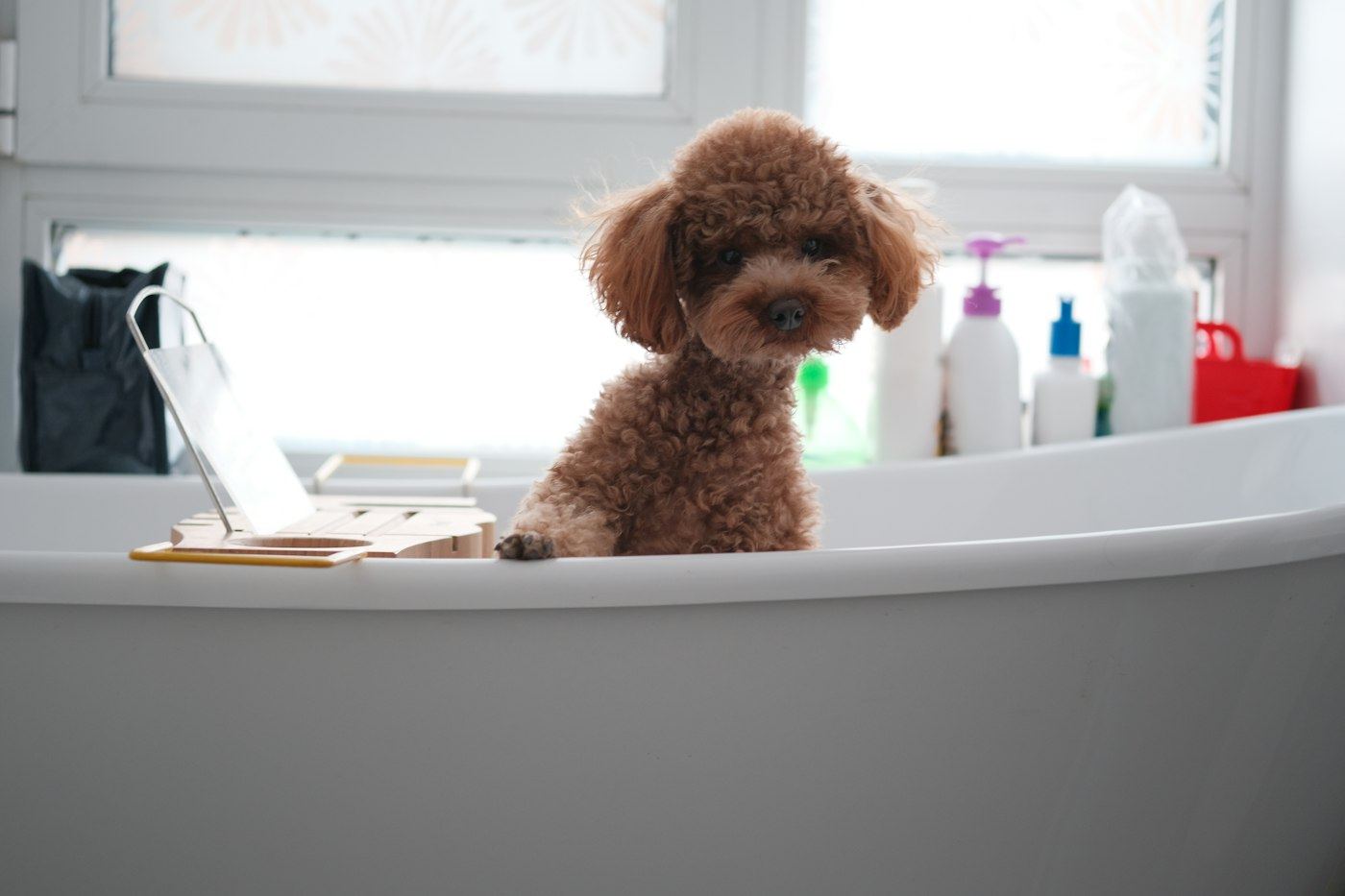
One of the biggest mistakes owners make is waiting until a puppy desperately needs a haircut before introducing professional grooming. For breeds that will need grooming throughout life, the first appointments should be about learning as much as appearance.
Bathing, dryer noise, paw handling, brushing, clippers and standing on a grooming table are all new experiences. Introducing them gradually while the puppy is young can make future appointments much easier.
The first groom is education
A young puppy does not need a dramatic makeover for the first appointment to be valuable. The goal is to introduce the environment, handling and sounds in a positive way.
A first visit may focus on bathing, drying, brushing, nails and a small face or sanitary trim rather than a complicated full haircut.
Successful early grooming means the puppy leaves having learned that the process is manageable.
Do not wait for the coat to become difficult
Owners sometimes postpone grooming because the puppy coat is still soft and cute. By the time the first major haircut is needed, the dog may be older, stronger, less accustomed to handling and possibly already tangled.
That creates a harder first experience. Early maintenance lets the puppy learn before grooming becomes urgent.
For Doodles, Poodles, Shih Tzus, Maltese and similar coats, this is especially important.
Practice handling at home
Touch the paws, ears, tail, chin and legs gently. Brush for a minute, reward and stop. Let the puppy become comfortable standing while being handled.
Do not turn home practice into restraint battles. Short successful sessions are more useful than forcing a puppy through a long grooming routine.
The goal is familiarity, not perfect behavior.
Introduce dryer and clipper-like sounds gradually
Noise is often one of the biggest surprises during grooming. Owners can help by exposing puppies to ordinary household sounds and rewarding calm behavior.
You do not need to imitate a salon at home. Simply teaching the puppy that new sounds are not automatically frightening can help.
Professional groomers can then build on that foundation using grooming equipment safely.
Choose a practical first haircut
For puppies that need trimming, the first haircut should prioritize comfort and cooperation rather than achieving a complex adult style.
A shorter session with a tidy, manageable result is often better than demanding perfect scissoring from a young dog that is still learning.
Style can become more refined as the puppy gains experience.
Consistency matters after the first visit
One positive appointment followed by six months without grooming does not create a routine.
Puppies benefit from repeated exposure. Even bath-and-brush visits or small maintenance trims help preserve familiarity.
For high-maintenance coats, a regular schedule also prevents matting while the adult coat begins to develop.
Vaccination and veterinary guidance
Mobile grooming can reduce contact with a busy salon environment, but health and vaccination decisions should still come from the puppy's veterinarian.
The objective is to introduce grooming safely and at an appropriate developmental stage.
Related guides: Prepare Your Puppy for Grooming · Doodle Grooming · Dog Nail Trimming · Dog Grooming Anxiety
Ready for help at your door? Book a groom and see the exact price before you pay.
Frequently asked questions
When should my puppy get its first groom?
Timing depends on breed, coat and veterinary guidance, but many grooming-dependent breeds benefit from early positive exposure rather than waiting for a major haircut.
Does the first groom need to include a full haircut?
No. A bath, brush, nails and small tidy-up can be a valuable first introduction.
What can I practice at home?
Gentle brushing, paw touching, ear handling and short standing exercises can help.
What if my puppy is scared?
Keep sessions short and positive. A good groomer should prioritize safe exposure rather than forcing a perfect cosmetic result.