Why Is My Dog Shaking After Grooming?
Excitement, stress, cold or a short haircut can cause shaking after a groom. When it's normal and when to call the vet.
By the WeDoPetz grooming team · · 2 min read
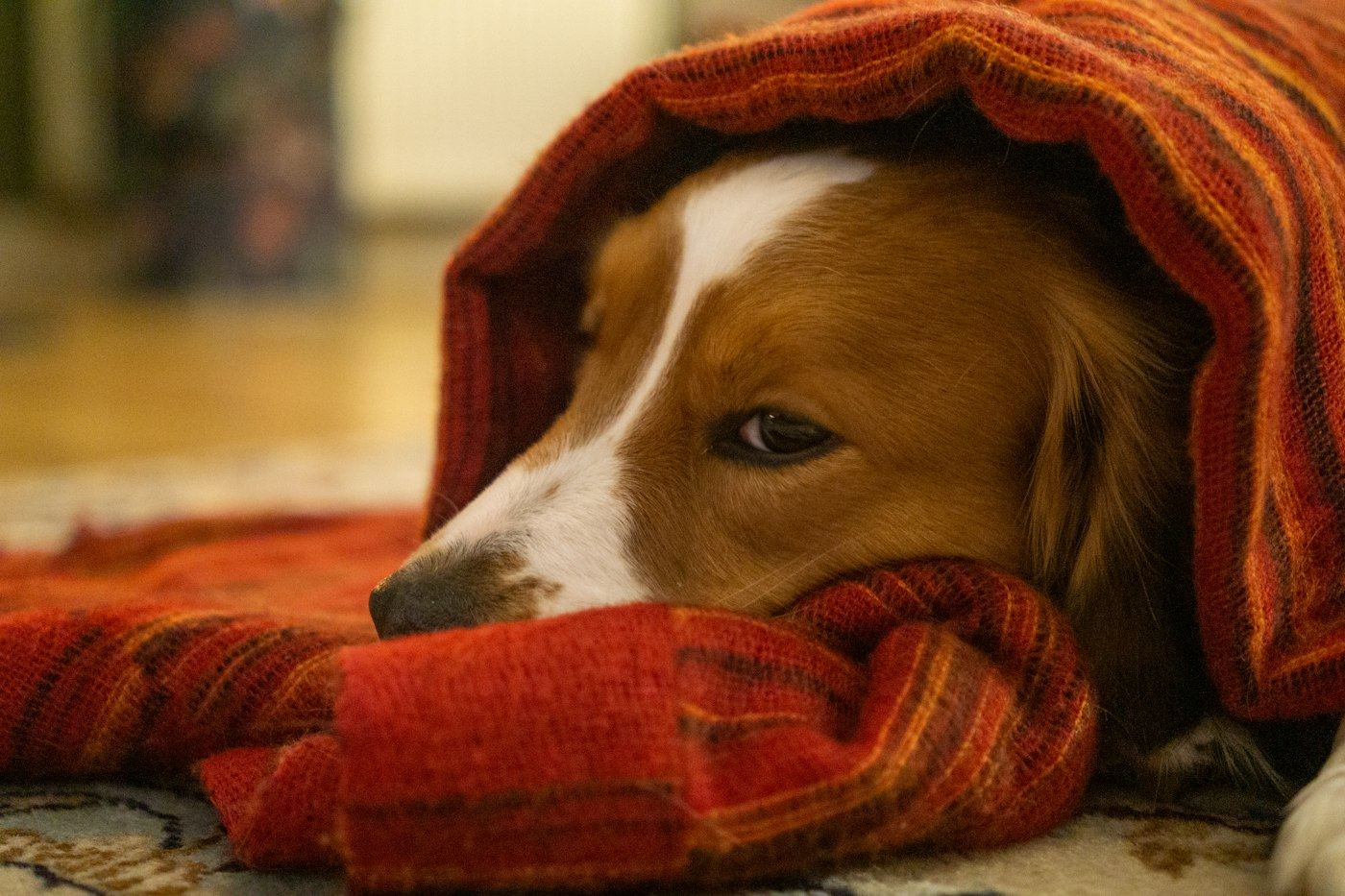
Seeing a dog shake or tremble after grooming can worry an owner, especially if the dog seems different from normal. Sometimes the cause is simple: excitement, nervous energy, temperature or the unfamiliar sensation of a shorter coat.
The important question is whether the shaking is brief and the dog otherwise returns to normal, or whether it comes with pain, weakness, breathing changes, skin problems or persistent distress.
Excitement can look like nervous shaking
Some dogs tremble when emotionally aroused, whether the emotion is excitement, anticipation or stress.
A dog that comes back inside, shakes briefly, drinks water and quickly resumes normal behavior may simply be releasing energy after the appointment.
Look at the whole dog, not the shaking alone.
A shorter haircut can change body sensation
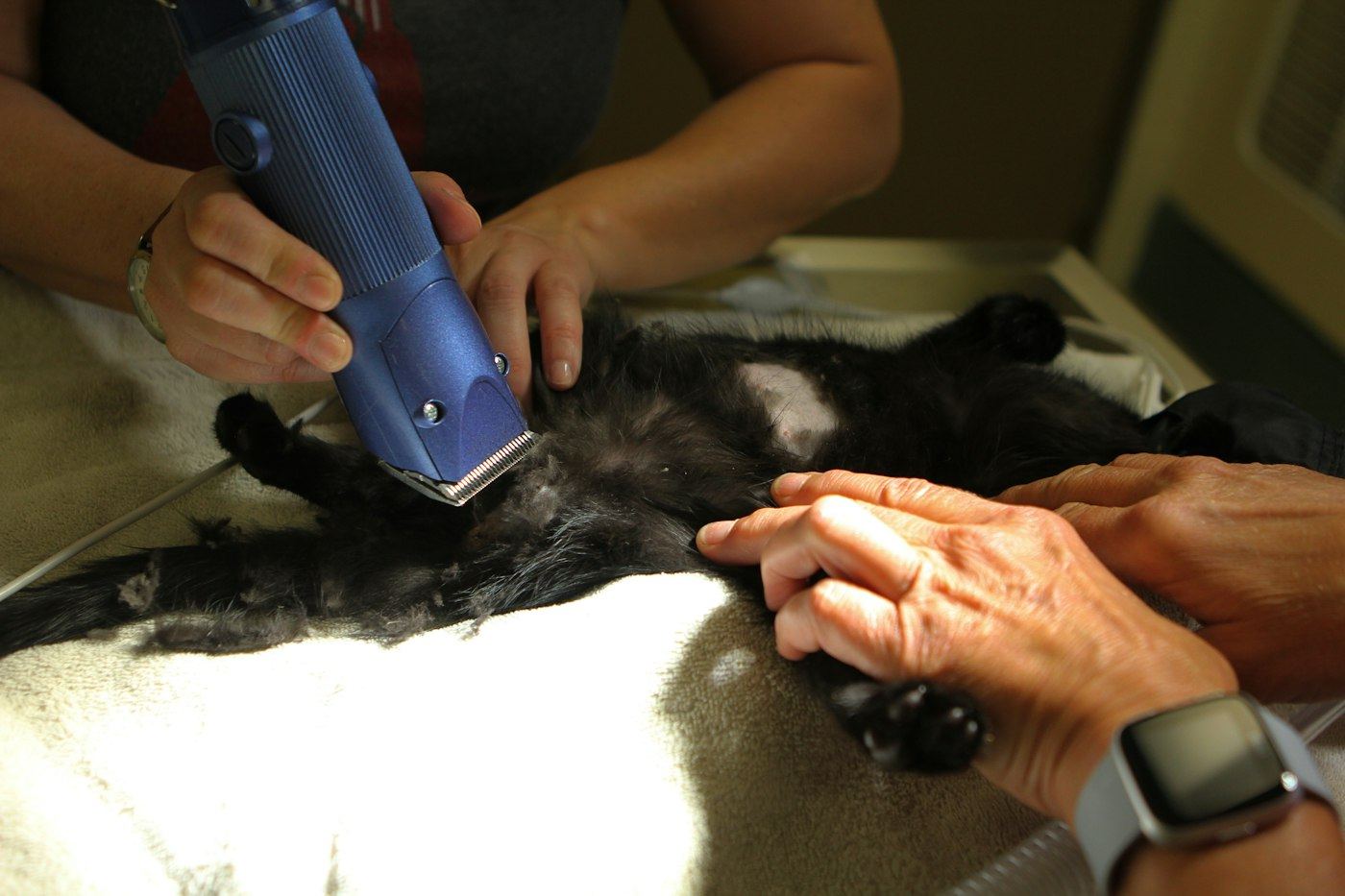
Dogs that have had a lot of coat removed may suddenly feel air, fabric and touch differently against the skin.
That sensory change can lead to temporary shivering or unusual movement, particularly after a dramatic shave-down.
The dog should still be alert, comfortable and gradually settle.
Temperature may matter
A very short haircut removes insulation, and small, thin or senior dogs may feel cooler afterward.
Keep the dog in a comfortable indoor environment and avoid extreme cold immediately after a short clip.
Persistent shaking despite a warm environment suggests another cause should be considered.
Stress can continue after the appointment
A nervous dog may need time to decompress after grooming.
Give the dog a quiet familiar space, water and a normal routine rather than overwhelming it with attention. Many dogs settle quickly once home.
If the dog remains extremely distressed for a long period, tell the groomer and discuss how future appointments can be adjusted.
When shaking deserves medical attention
Shaking accompanied by weakness, collapse, vomiting, difficulty breathing, obvious pain, pale gums or inability to walk normally is not a routine post-grooming reaction.
Likewise, if a dog suddenly becomes painful when touched after grooming, an injury or medical problem needs evaluation.
Communicate with the groomer
If the dog had an unusual reaction, contact the groomer and ask how the appointment went.
There may have been a stressful part of the service, a very short haircut or an area of sensitivity worth knowing about.
That information helps improve the next appointment and gives the veterinarian useful context if medical evaluation is needed.
Related guides: Dog Grooming Anxiety · Senior Dog Grooming · Should a Matted Dog Be Shaved? · What to Tell Your Groomer
Ready for help at your door? Book a groom and see the exact price before you pay.
Frequently asked questions
Is it normal for a dog to shake after grooming?
Brief shaking can occur from excitement, stress, temperature or a very short haircut. Persistent or severe symptoms are different.
How long should post-grooming shaking last?
There is no exact rule, but a dog should generally settle and return toward normal behavior. Ongoing distress deserves attention.
Can a haircut make my dog cold?
A very short haircut can reduce insulation, particularly for small, thin or senior dogs.
When should I call a vet?
Call promptly if shaking is accompanied by weakness, collapse, breathing difficulty, severe pain, vomiting or other concerning symptoms.