Dog Ear Cleaning: How Much Is Too Much?
More ear cleaning isn't always better. What groomers can safely do, signs that need a vet, and why over-cleaning irritates.
By the WeDoPetz grooming team · · 3 min read
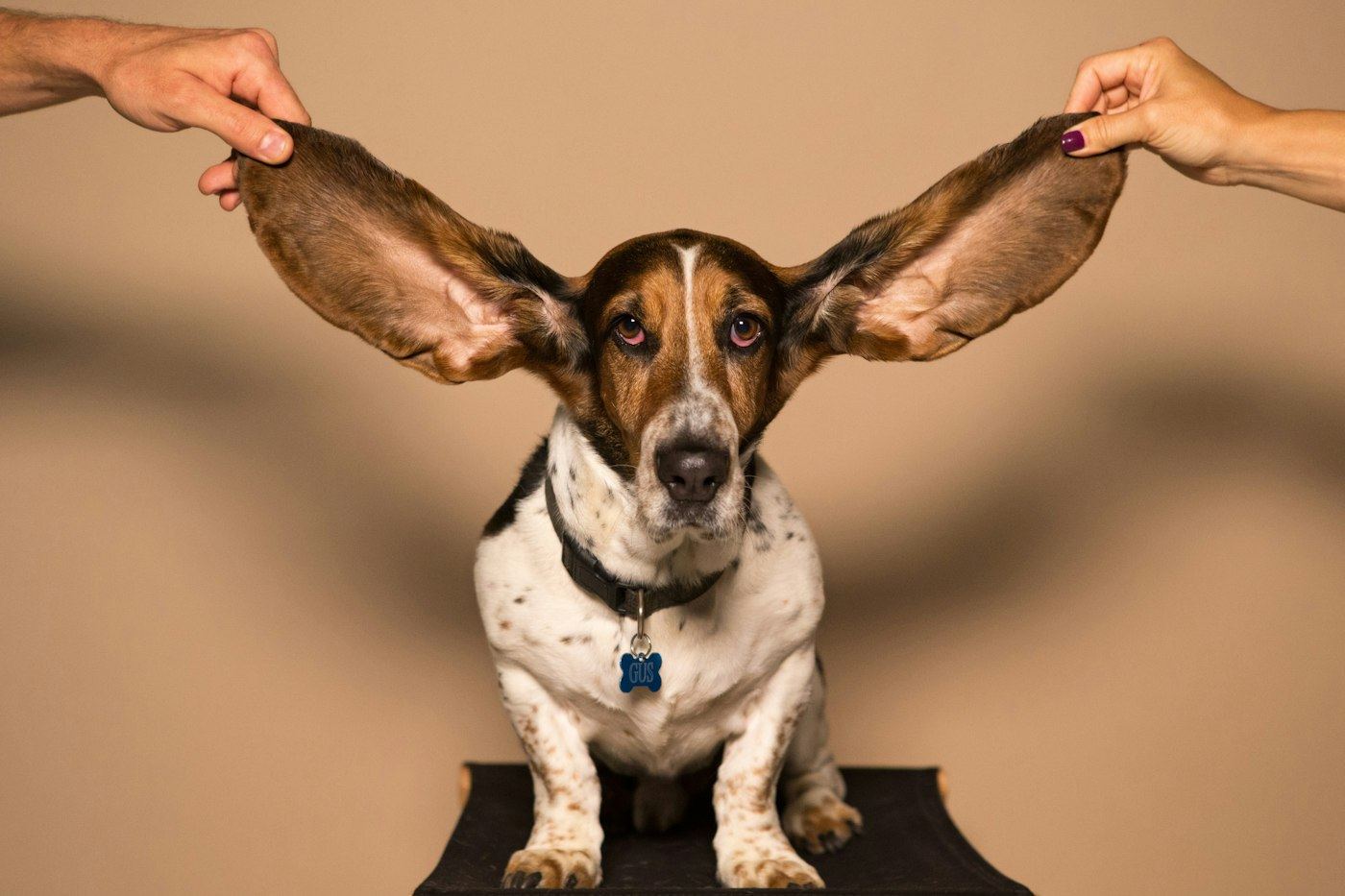
Ear cleaning is a common part of grooming, but more cleaning is not automatically better. Some dogs need routine maintenance because they accumulate wax or debris. Others have healthy ears that require very little intervention.
The most important skill is learning the difference between normal maintenance and signs that may indicate infection or another medical problem.
Healthy ears vary between dogs
A normal ear can have a small amount of wax and still be healthy. Color, odor and moisture vary somewhat by dog.
Floppy-eared breeds and dogs that swim frequently may need closer monitoring because moisture and reduced airflow can create a different environment inside the ear.
The goal is not to make the ear look sterile. It is to keep visible debris under control and notice changes.
What groomers can safely do
Groomers can wipe and clean the accessible outer ear using appropriate products and technique.
They should not diagnose infection or aggressively probe deep into the ear canal. If the ear is painful, very red or filled with unusual discharge, routine cosmetic cleaning may not be appropriate.
A good groomer knows when to stop and refer the owner to a veterinarian.
Signs that need veterinary attention
Cleaning may temporarily remove debris but will not treat the underlying cause.
Delaying evaluation because the ear "just needs another cleaning" can allow a medical problem to worsen.
Why over-cleaning can irritate ears
Repeated unnecessary cleaning can disturb the ear environment and irritate sensitive tissue.
Use products made for dogs and follow veterinary guidance if your dog has a history of ear disease.
Cotton swabs inserted into the canal are not a safe way to perform deep cleaning at home.
Swimming and bathing
Dogs that swim or are bathed regularly may need extra attention to ear moisture.
The outer ear should be dried gently, and owners should monitor for odor or head shaking afterward.
Dogs with recurring post-swim ear problems should have a prevention plan from their veterinarian.
Ear hair and breed differences
Some breeds grow significant hair in or around the ear. Whether ear hair should be removed routinely is not a universal answer and can depend on the dog's history.
Aggressive plucking can irritate some ears. Discuss recurring problems with the veterinarian and groomer rather than applying the same procedure to every dog.
Individual history matters.
Related guides: Labrador Grooming · Cavalier Grooming · How Often Should You Bathe Your Dog? · What to Tell Your Groomer
When you want a hand, book a groom or see our prices.
Frequently asked questions
How often should I clean my dog's ears?
There is no universal schedule. Clean based on the dog's needs and veterinary guidance rather than automatically every day or week.
Can a groomer treat an ear infection?
No. Groomers can perform routine cleaning, but diagnosis and treatment of infection belongs with a veterinarian.
Why do my dog's ears smell?
Strong odor can be associated with infection, yeast, trapped moisture or debris and should be evaluated if persistent.
Should I use cotton swabs in my dog's ear canal?
Avoid inserting cotton swabs deep into the canal because they can push debris farther in or injure tissue.