Husky Grooming: Why You Shouldn't Shave the Coat
Blowing coat, de-shedding and why routine shaving is the wrong answer for a healthy Husky's double coat.
By the WeDoPetz grooming team · · 3 min read
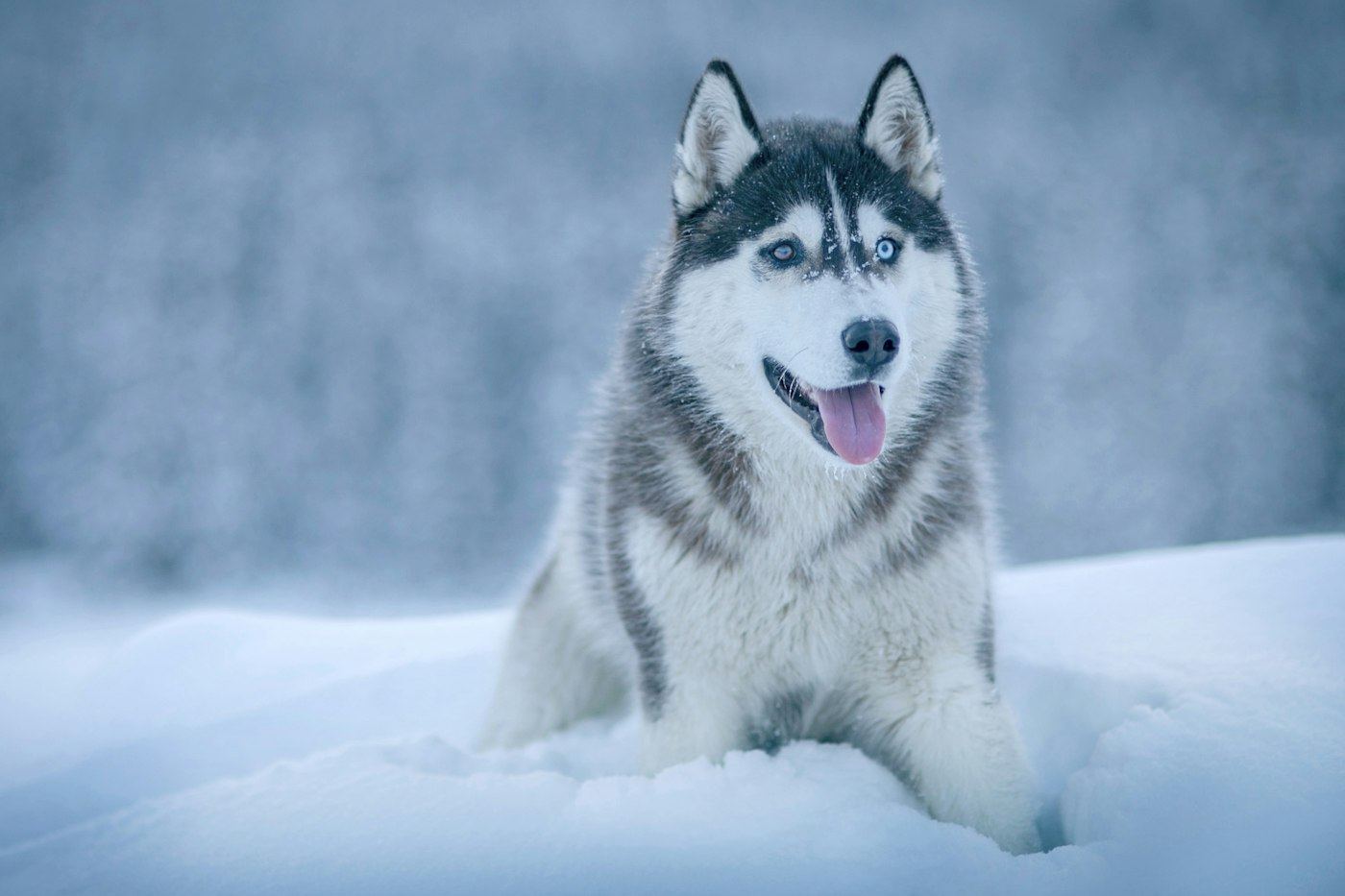
Huskies are famous for dramatic seasonal shedding. When the undercoat starts releasing, owners may see tufts coming out by the handful and wonder whether shaving would be easier.
For a healthy Husky, routine full-body shaving is generally not the right answer. The double coat provides protection and insulation. Grooming should focus on removing loose undercoat while preserving the functional outer coat.
How the Husky double coat works
The outer guard hairs provide protection from sun, dirt and moisture. The softer undercoat provides insulation.
The amount of undercoat changes through the year. During major seasonal release, it can seem as though the dog is losing half its coat at once.
That dramatic shedding is normal for many Huskies and is best managed through de-shedding rather than shaving.
What 'blowing coat' means
Husky owners often use the phrase "blowing coat" for the period when large amounts of undercoat release.
Tufts may stick out visibly and come away during brushing. This is the ideal time for thorough bathing, professional drying and coat-appropriate undercoat removal.
The process may take more than one brushing session because the coat does not always release all at once.
Why routine shaving is discouraged
Shaving removes both protective layers and does not stop the hair cycle. The dog will still produce and shed hair as the coat regrows.
The regrowth can also look or feel different for a period, particularly if undercoat returns faster than guard hair.
Unless there is a medical or severe coat reason, de-shedding is the preferred maintenance strategy.
Bathing and drying are powerful tools
A professional bath loosens oil and dead undercoat. High-velocity drying can blow out an impressive amount of coat before brushing begins.
Dense Husky coats need complete drying. Damp undercoat can hold odor and contribute to skin problems.
This is one breed where the drying stage can be as important as the bath itself.
Use tools carefully
Undercoat rakes, slicker brushes and other tools can be useful when used appropriately. Over-aggressive blades can damage the healthy outer coat.
The goal is not to make the dog look thinner. It is to remove what is already loose.
Short frequent home sessions during coat release are usually more comfortable than trying to remove everything in one marathon.
When a Husky coat needs veterinary attention
Heavy shedding can be normal, but bald patches, sores, intense itching or a sudden abnormal coat change are different.
Do not assume every hair-loss problem is "blowing coat."
Related guides: Dog De-Shedding · Should You Shave a Double-Coated Dog? · Why Is My Dog Shedding So Much? · Dog Bathing
Ready for help at your door? Book a groom and see the exact price before you pay.
Frequently asked questions
Should I shave my Husky in summer?
Routine shaving of a healthy Husky is generally discouraged. De-shedding and sensible heat management are better approaches.
Why is my Husky losing huge clumps of fur?
Seasonal undercoat release can be very dramatic and is often called blowing coat.
How often should a Husky be brushed?
Frequency increases during heavy shedding. Regular shorter sessions are usually more effective than rare intensive brushing.
Does shaving stop Husky shedding?
No. Shaving does not stop the natural hair cycle.