How to Keep Your Dog Smelling Fresh Between Grooming Appointments
Brushing, dry coats, clean bedding and small cleanups: simple habits that keep a dog fresh without constant bathing.
By the WeDoPetz grooming team · · 3 min read
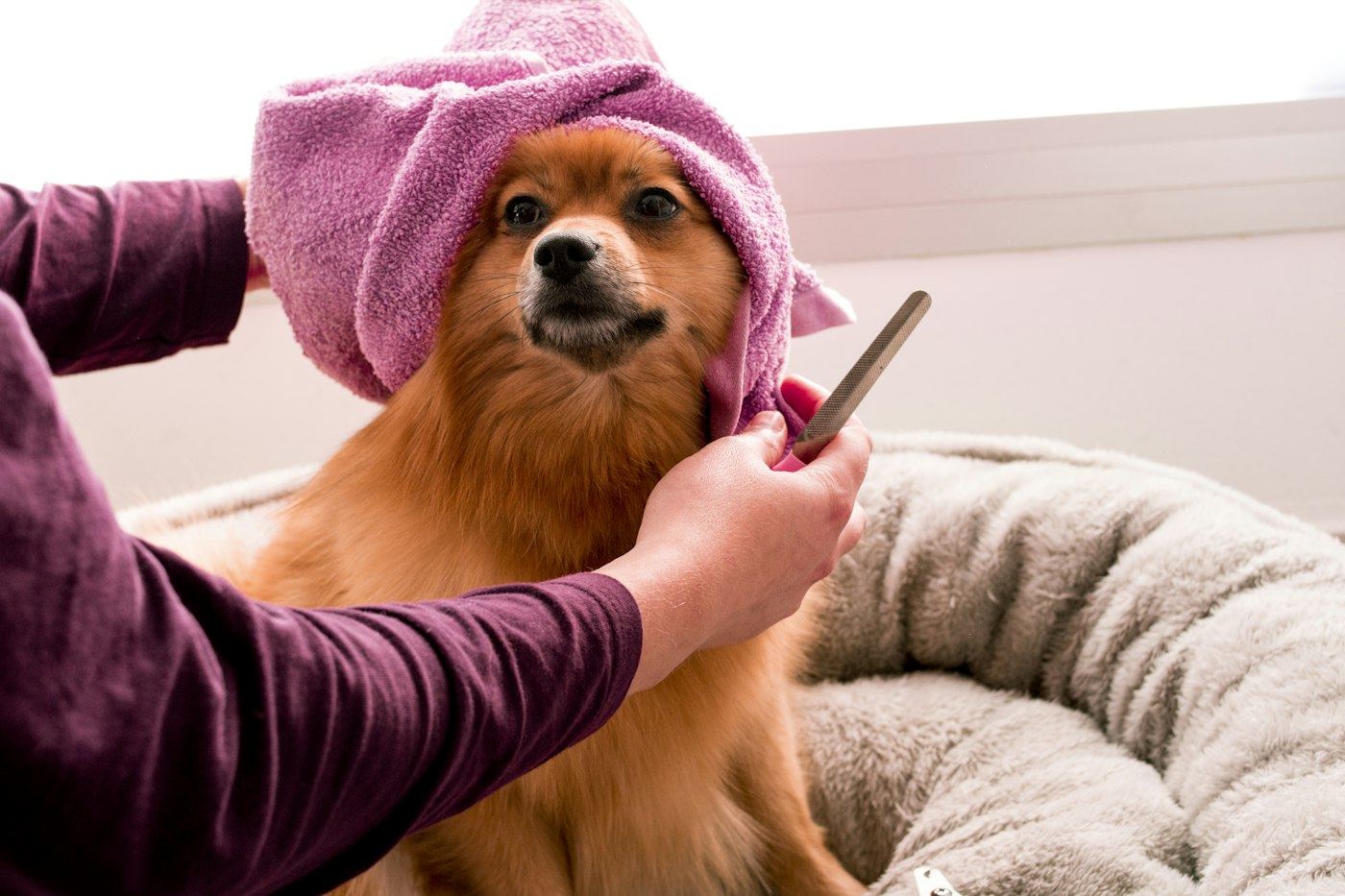
A freshly groomed dog smells clean, feels soft and somehow seems determined to test that condition as quickly as possible. Keeping a dog fresh between appointments does not require constant bathing.
The best routine is usually a combination of brushing, clean bedding, dry paws and coat, ear awareness and quick cleanup after messy activities. Persistent strong odor is different and may point to a problem that shampoo alone will not solve.
Brush before odor builds
Loose hair, dirt and debris can remain trapped in the coat, especially on longer or double-coated dogs. Regular brushing removes material before it combines with oil and moisture.
Brushing also improves airflow through the coat and gives the owner a chance to notice irritated skin, tangles or unusual odor early.
A coat that is brushed consistently often stays fresher longer even when the dog is not being bathed frequently.
Clean the environment too
A clean dog lying on an unwashed bed will not stay fresh for long. Wash bedding, blankets, crate pads and washable furniture covers regularly.
Collars and fabric harnesses can also hold oil and odor. A dog may come home clean from grooming and immediately pick up the smell of an old collar.
Keeping the dog fresh means cleaning the things that touch the dog as well.
Manage wet-dog smell at the source
Rain, swimming and snow are common odor triggers because moisture remains in the coat. Towel the dog well and make sure dense areas dry rather than staying damp.
A thick undercoat can feel dry on top while remaining moist near the skin. Repeated dampness can contribute to odor and skin irritation.
Dogs that swim regularly may need more deliberate drying and ear monitoring than dogs that stay dry most of the time.
Paws and faces need small cleanups
Dogs collect a lot of dirt without needing a full bath. Wiping muddy paws, drying the beard after drinking and cleaning visible debris from the lower legs can make a major difference.
Long facial hair and beards can hold food and water, particularly in Schnauzers, Shih Tzus and Doodles. Paw hair can trap mud, snow and road debris.
Small targeted cleanups often keep a dog comfortable without over-bathing the entire coat.
Do not perfume over a problem
Strong sprays may temporarily cover odor, but they do not address the source. Persistent smell can come from ears, teeth, skin folds, anal glands, skin infection or other medical issues.
If a dog smells unusually strong soon after a proper bath, investigate rather than repeatedly adding fragrance.
Use professional grooming as the reset
Professional bathing and drying periodically removes accumulated oil, loose coat and debris more thoroughly than small home cleanups.
Between visits, owners can focus on maintenance rather than recreating the entire grooming process. Brush, keep the dog dry, wash bedding and clean obvious dirty areas.
That balance keeps the dog comfortable and the home more manageable.
Related guides: Why Does My Dog Smell After a Bath? · How Often Should You Bathe Your Dog? · Dog Ear Cleaning · Dog Paw Care
When you want a hand, book a groom or see our prices.
Frequently asked questions
Can I use dog deodorizing spray every day?
Use products specifically intended for dogs and avoid relying on fragrance to hide persistent odor. Skin sensitivity varies.
Why does my dog's bed make the dog smell?
Fabric holds oil, moisture and hair. Regularly washing bedding is an important part of keeping the dog fresh.
Why does my dog smell after getting wet?
Moisture releases odor from oils and microorganisms in the coat. Thorough drying helps, especially in dense coats.
When should dog odor concern me?
Strong, new or persistent odor accompanied by itching, redness, discharge or pain should be discussed with a veterinarian.